
Everything you need to know about brown asbestos
Brown asbestos is one of the three main types of asbestos that were widely used in buildings across the UK. Also known as amosite, it’s especially common in asbestos insulating boards (AIB), where its heat resistance, strength, and insulating properties made it a useful building material.
Although asbestos use is now banned in the UK, brown asbestos can still be found in older homes, offices, schools, and industrial premises. In many cases, it has been left undisturbed for decades. The problem is that renovation or accidental damage can disturb asbestos-containing materials (ACMs) and release fibres into the air.
So, for property owners, knowing where brown asbestos might be found and understanding the risks can help prevent accidental exposure. Here’s everything you need to know.
What is brown asbestos?
Brown asbestos is the common name given to amosite, one of several naturally occurring forms of asbestos. It is part of the amphibole group of asbestos minerals. This also includes blue asbestos or ‘crocidolite’.
It was widely used in the UK throughout much of the 20th century, particularly in construction and industrial settings. Its properties made it useful in products where insulation, fire resistance, and durability were top priorities.
One of the most common uses of amosite was in asbestos insulating boards. AIB was manufactured by combining asbestos fibres with other materials to create lightweight boards that could be used throughout buildings.
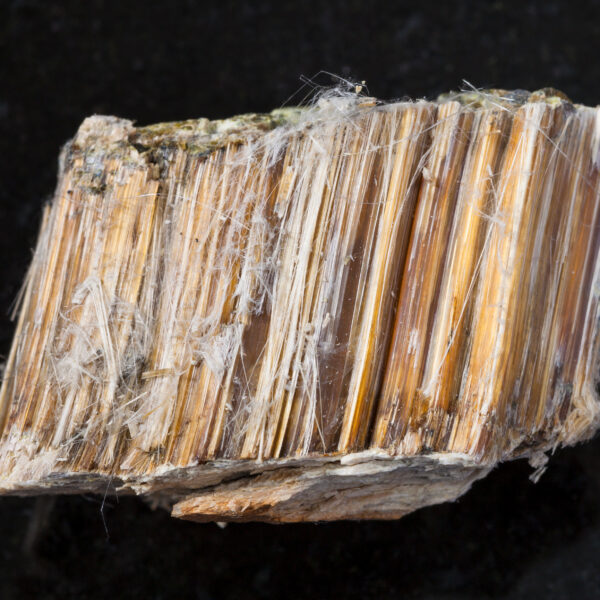
What does brown asbestos look like?
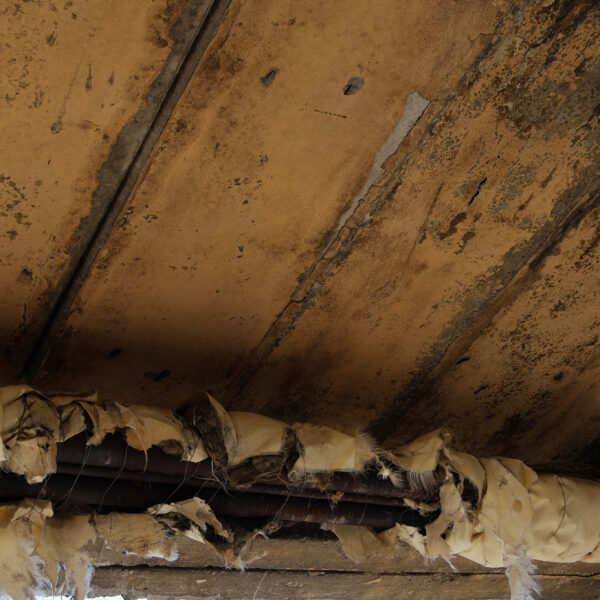
Despite the name, brown asbestos isn’t necessarily visibly brown when you encounter it in a building. This makes identification tricky, so please bear the following in mind.
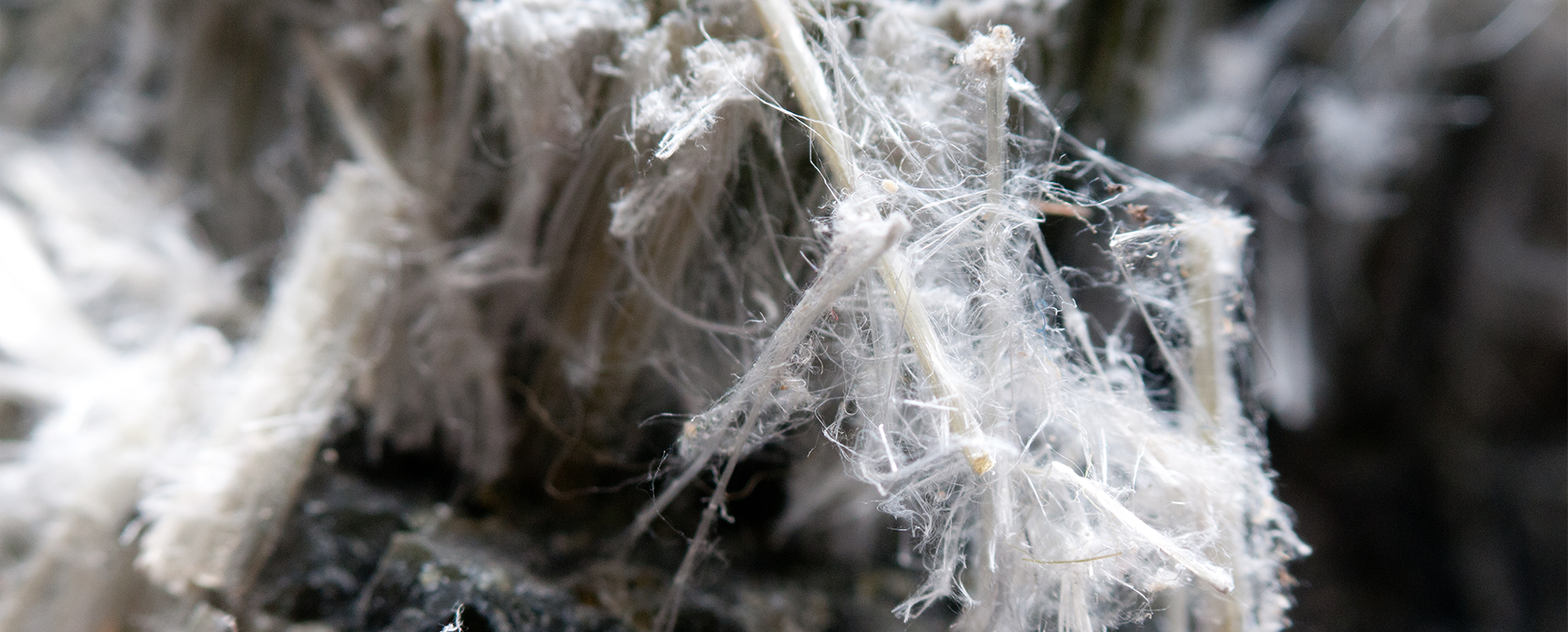
Raw amosite fibres have a brown or greyish-brown appearance, but once asbestos has been incorporated into a manufactured product, its appearance can change considerably. Paint and other materials can cover the fibres, while the finished product may look similar to a modern building material.
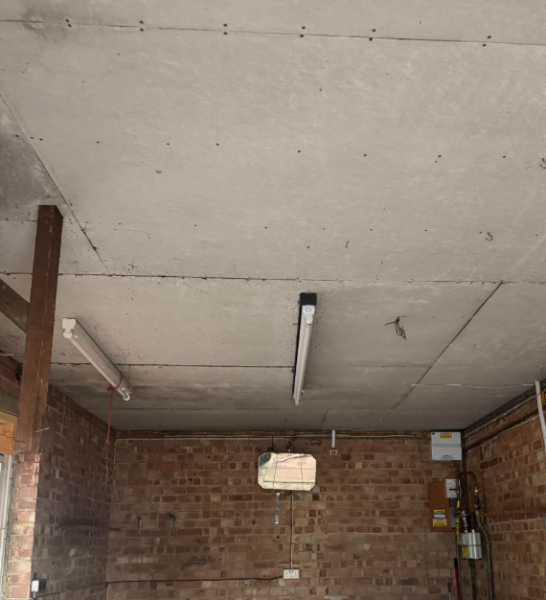
AIB containing brown asbestos might look like a rigid, flat board. It can be found painted, sealed, or covered with other finishes, making visual identification even more difficult. This is why you shouldn’t rely on photographs or colour alone when trying to work out whether a material contains asbestos.
There might be clues based on the age and type of material, but they can’t confirm what’s inside it. Laboratory analysis of an appropriate sample is generally needed to establish whether asbestos is present and, where required, what type it is.
If you come across an unfamiliar board while carrying out DIY or refurbishment work, don’t cut into it to investigate. Disturbing a suspect material could create the very exposure you’re trying to avoid.
Why was brown asbestos used in AIB?
To understand why amosite became so common in AIB, it’s useful to look at what manufacturers wanted from the material. Asbestos fibres offered a combination of properties that was difficult to match with many other materials available at the time.
They were resistant to heat and could provide useful fire protection when incorporated into building products. The fibres were also strong and durable, while their insulating properties made asbestos suitable for products designed to help protect buildings and their occupants.
These characteristics made AIB particularly useful for internal construction. The boards could be manufactured into relatively lightweight panels and used for fire protection, or partitioning. Asbestos was also widely available and inexpensive, and this helped massively to drive its use across the construction industry.
At the time, the serious health consequences of asbestos exposure weren’t understood in the way they are today. As knowledge of the risks developed, restrictions on asbestos use increased before its use was eventually banned in the UK. But that dangerous legacy does live on in older buildings.
Where might you find asbestos and AIB?
AIB was used in many different parts of buildings, so there isn’t one room or area where you should expect to find it. Common locations can include wall and ceiling panels, partitions, doors, and panels around service areas. It was also used for fire protection around structural elements and in areas where heat resistance was important.
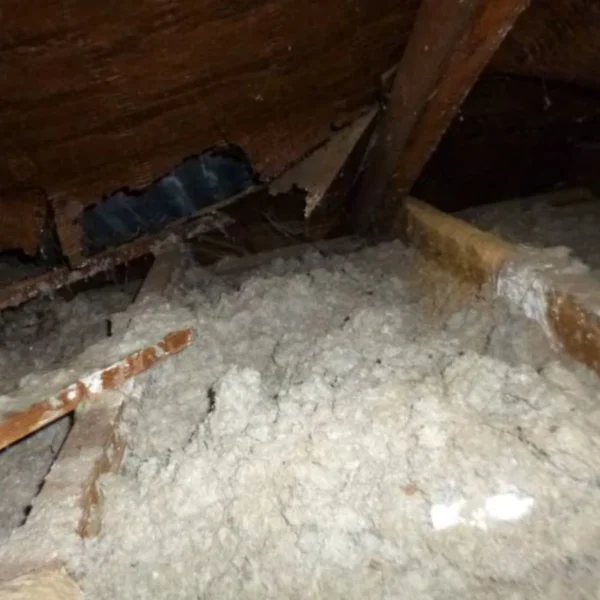
In domestic properties, homeowners might encounter suspected AIB during extensions, loft conversions, renovations, or even electrical work. Garages and outbuildings can also contain older asbestos products.
In commercial and public buildings, AIB might be present in areas such as corridors, plant rooms, service risers and fire doors. Schools, offices, and warehouses built or refurbished when asbestos was widely used can contain a range of asbestos-containing materials.
The material’s age is an important consideration. Asbestos was used extensively in buildings for decades, so finding an older board doesn’t automatically mean it contains brown asbestos. But on the other hand, its presence might not be obvious from the building’s current appearance.
How can you identify brown asbestos?
This is where caution is especially important. There is no reliable visual test for brown asbestos. The colour, texture, or appearance of a board can provide clues, but none can confirm that it contains amosite.
The age of the building and the date when materials were installed can provide useful context. So can information about previous building work and the type of product being used. However, these details are not enough to establish the presence of asbestos on their own.
If you’re carrying out renovation work and uncover a material that you think could contain asbestos, stop before disturbing it further. So, don’t drill, sand, or cut the board, and please don’t break off a piece yourself to send away for testing.
Instead, get advice from someone competent to deal with asbestos. Where sampling is required, it should be carried out using appropriate precautions. This is essential with AIB because disturbing the board can release asbestos fibres.
What risks does brown asbestos pose?
The health risks associated with asbestos come from inhaling airborne fibres. When an asbestos-containing material is in good condition and left undisturbed, the immediate risk of fibre release may be relatively low. The situation can change when the material is damaged or worked on.
AIB can be particularly concerning because it is less robust than materials like asbestos cement. Drilling, cutting, breaking, or removing an asbestos insulating board can release fibres, and this can contaminate the surrounding area.
Amosite exposure has been associated with serious asbestos-related diseases, including mesothelioma, lung cancer, and asbestosis. These conditions can take many years or even decades to develop following exposure.
That long delay can make asbestos seem like a distant problem. Someone carrying out a short piece of DIY might not experience any immediate symptoms after disturbing an asbestos-containing material, but that doesn’t mean exposure is harmless. The safest approach is to prevent unnecessary exposure in the first place.
Why is professional removal so important?
If AIB is suspected or found, it doesn’t always need to be removed. If it’s in good condition and unlikely to be disturbed, it may be safer to leave it in place or encapsulate it. However, if removal is necessary, the work must be carried out safely and, where required, by an HSE-licensed asbestos removal contractor. The type of asbestos work required depends on the material, its condition, where it’s located, and what needs to happen to it.
Some asbestos work falls into the licensed category, and AIB removal will commonly require a licensed asbestos contractor because of the potential for fibre release. A licensed contractor has the training, equipment, and procedures needed to carry out higher-risk asbestos work under controlled conditions.
This can involve establishing a controlled work area, preventing unauthorised access, using appropriate PPE, and applying carefully planned removal techniques. When called for, specialist enclosures and air management systems are used to control the working environment.
Once removal has been completed, the affected area needs to be cleaned appropriately. Then the asbestos waste needs to be packaged, transported, and disposed of through authorised routes.
This matters because removing the board is only part of the job. Poor handling of contaminated materials can spread asbestos fibres beyond the original work area and create additional risks for anyone who later enters the property.
What should you do if you find suspected brown asbestos?
If you’re halfway through a refurbishment project and discover an old board that might contain asbestos, stop and take a step back. Don’t assume that because the material looks like ordinary plasterboard or fibreboard, it must be safe. By the same token, don’t assume that every old board contains asbestos.
The safest option is to avoid disturbing it until you can establish what you’re dealing with. If the material has already been damaged, keep people away from the immediate area and avoid activities that could disturb settled dust or debris. Don’t sweep or vacuum suspected asbestos contamination using ordinary household equipment.
A specialist asbestos contractor can advise on the appropriate next steps, including whether the material requires sampling, encapsulation, or removal.
Work with us for brown asbestos removal
We provide specialist asbestos removal services across the North East, supporting homeowners, landlords, businesses, public sector organisations, and other property owners.
Our team has experience working with asbestos-containing materials in a wide range of buildings and understands the particular care required when dealing with higher-risk materials like AIB.
When licensed removal is needed, we can manage the work using appropriate control measures and approved techniques. We can also support clients with asbestos waste collection and disposal, making sure removed materials are handled through the correct waste routes.
If you’re planning refurbishment work in an older property and suspect AIB or another asbestos-containing material could be present, getting advice before work starts can help prevent accidental disturbance and unnecessary disruption. Get in touch with our team today and we’ll get back to you as soon as we can.
Testimonials