


How to spot asbestos during a home DIY project
Home improvement projects can be an exciting way to upgrade your living space, whether you are renovating a kitchen, converting a loft, or simply refreshing a room.
However, for many homeowners across the UK, particularly those living in properties built before 2000, DIY work can come with hidden risks. One of the most significant of these is asbestos.
Understanding how to spot asbestos during a home DIY project is essential for protecting your health and anyone working on your property.
While asbestos use was banned in the UK in 1999, it remains present in many older buildings, often hidden within common construction materials. Disturbing these materials without proper precautions can release harmful fibres into the air.
This guide will explain why asbestos is still found in homes, where you are most likely to encounter it during your DIY work, the visual signs to look out for, and, crucially, what to do if you suspect its presence.
Why might asbestos still be present in your home?
Asbestos was widely used in construction throughout much of the 20th century due to its durability, fire resistance, and insulating properties. In fact, long before this, it was considered something of a ‘wonder material’ with a storied history dating back over 4,000 years, with evidence of its use in Finnish homes from that time.
So, naturally, it was incorporated into a wide range of building materials until the discovery of its deadly potential, from ceilings to insulation and even floor tiles.
Although its use is now prohibited, asbestos-containing materials (ACMs) were not automatically removed from buildings following the ban. As a result, many homes built or renovated before 2000 may still contain asbestos in some form.
This is why understanding how to spot asbestos is particularly important for homeowners planning DIY projects. Even minor work, such as drilling into walls, removing ceiling tiles, or lifting old flooring, can disturb ACMs and release fibres if asbestos is present.
Where might you encounter asbestos during DIY?
One of the key aspects of learning how to spot asbestos is knowing where it is most likely to be found. While it can appear in many forms, certain areas of the home are more likely to contain asbestos materials. Let’s run through some of the key ones:
Garage roofs and outbuildings
Asbestos cement sheets were frequently used in garage roofs, sheds, and outbuildings. These sheets are typically corrugated and may appear weathered or brittle over time. While asbestos cement is considered lower risk when intact, cutting, drilling, or breaking it can release fibres.
Ceiling tiles and panels
Older ceiling tiles and panels may contain asbestos, particularly in properties built or refurbished several decades ago. These materials can become hazardous if damaged or disturbed during removal.
Pipe lagging and thermal insulation
Pipe lagging is one of the higher-risk asbestos materials due to its friable nature. Often found in heating systems, boilers, and pipework, it can appear as a fibrous or plaster-like coating. If disturbed, it can release significant amounts of asbestos fibres.
Textured coatings (e.g. Artex)
Decorative wall and ceiling coatings, commonly known as Artex, were widely used in UK homes. While not all textured coatings contain asbestos, many older applications do. Sanding, scraping, or drilling into these surfaces can pose a serious risk.
Insulation boards
Asbestos insulation boards (AIB) were used for fireproofing and insulation in walls, ceilings, and partitions. These boards can resemble standard plasterboard but are far more hazardous when disturbed.
Understanding these common locations is a vital step in recognising how to spot asbestos before starting any DIY work.
What does asbestos look like?
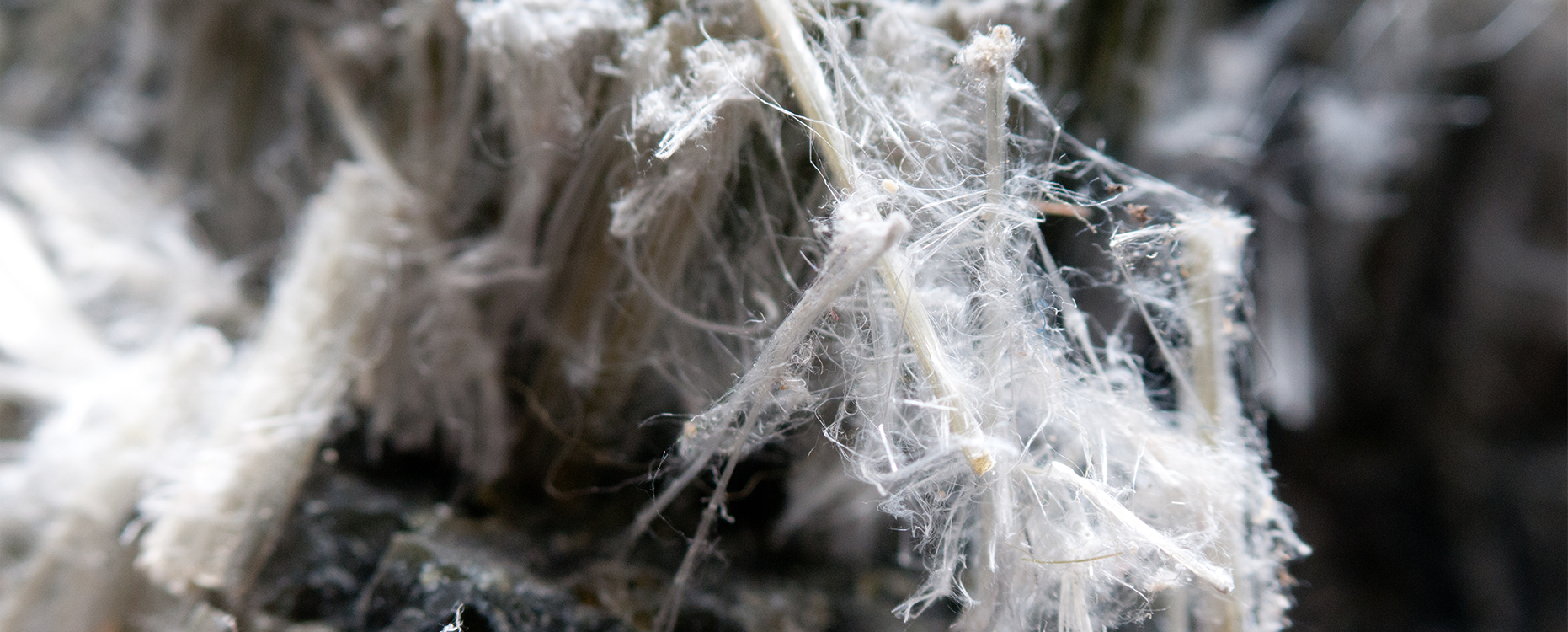
A common misconception is that asbestos is easy to identify by sight alone. In reality, it can vary significantly in appearance depending on how it was used. When considering how to spot asbestos, it is important to recognise that it is typically embedded within other materials rather than visible as loose fibres. It may appear as:
- Grey, white, or off-white fibrous material
- Cement-like sheets or panels
- Textured coatings with a rough or patterned finish
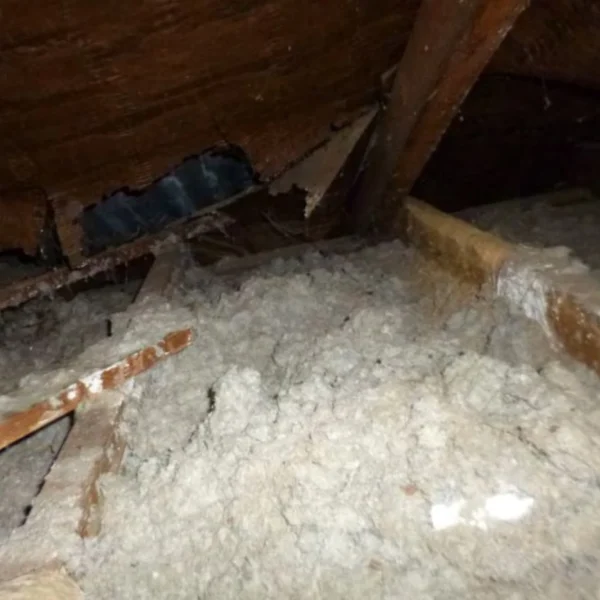
- Insulation that looks fluffy or compacted
However, these characteristics are not definitive. Many non-asbestos materials can look similar, and asbestos fibres themselves are microscopic and cannot be seen with the naked eye. Because of this, visual identification alone is not enough to confirm the presence of asbestos.
Why can’t you confirm asbestos by sight alone?
While understanding how to spot asbestos can help you identify potential risks, it is not possible to confirm whether a material contains asbestos without proper testing.
Laboratory analysis is required to accurately identify asbestos fibres. Attempting to guess or assume can lead to dangerous outcomes, particularly if materials are disturbed unnecessarily. If you suspect a material may contain asbestos, the safest approach is always to treat it as such until proven otherwise.
What are the risks of disturbing asbestos?
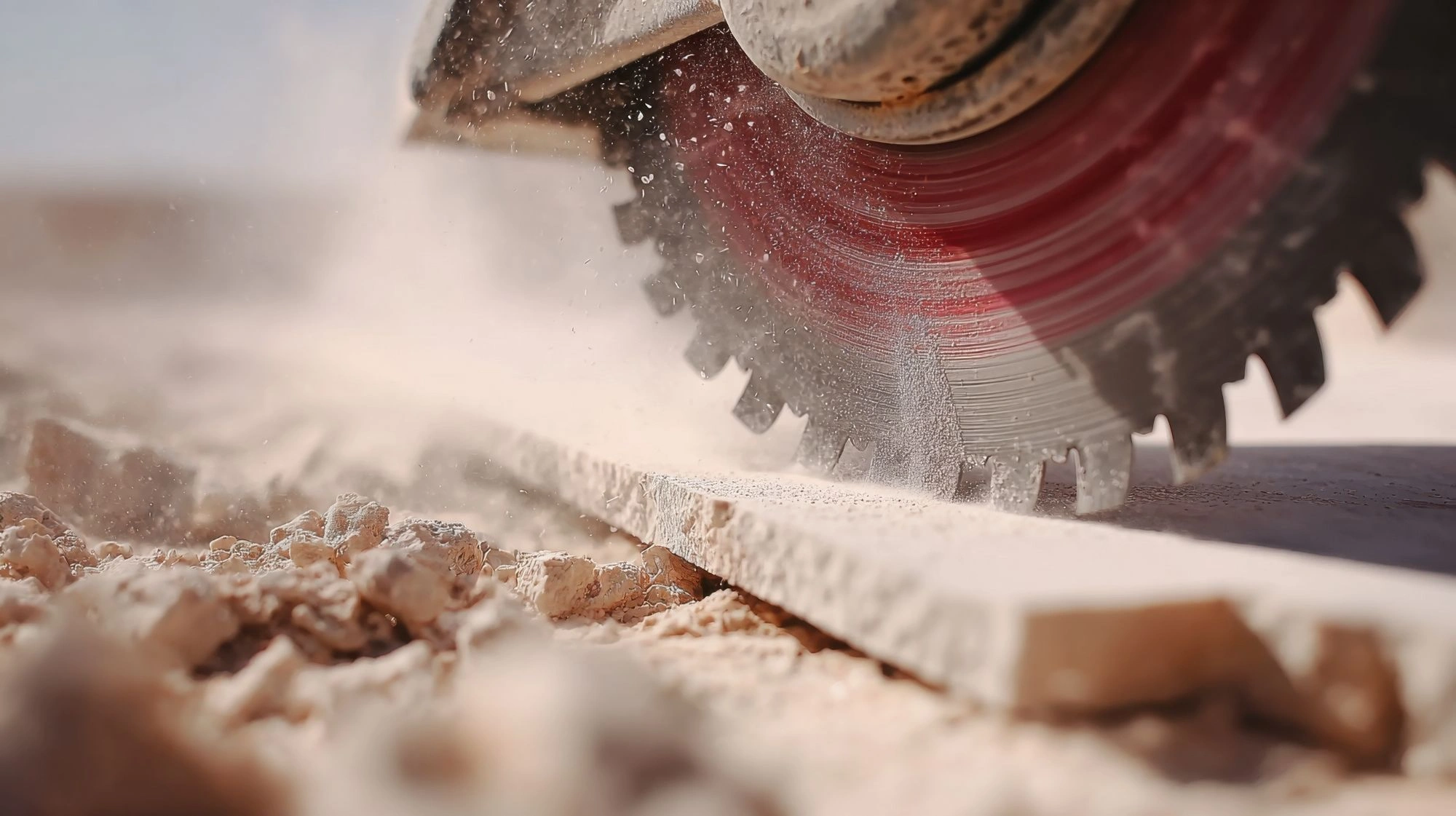
Asbestos is most dangerous when it is disturbed. When materials containing asbestos are cut, drilled, broken, or otherwise damaged, they can release microscopic fibres into the air.
Airborne fibre release
Once released, these fibres are incredibly light and can remain suspended in the air for long periods of time. This means they can easily be inhaled without you realising, particularly in enclosed spaces such as lofts, garages, or small rooms where ventilation is limited.
Even minor DIY tasks, such as sanding a ceiling, removing panels, or drilling into walls, can generate enough disturbance to release harmful fibres.
Long-term health risks
These fibres can be inhaled and may remain in the lungs for many years, leading to serious health conditions, including asbestosis (lung scarring) and mesothelioma (a form of cancer affecting the lining of the lungs). These diseases often develop decades after exposure, making prevention critical.
Hidden and lasting exposure
One of the biggest risks is that exposure is not always immediate or obvious. Fibres can settle on clothing, tools, and surfaces, potentially spreading to other areas of the home and creating ongoing risk for occupants. This makes improper handling particularly dangerous, even after the initial work has stopped.
This is precisely why understanding how to spot asbestos before beginning DIY work is so important. Even seemingly minor tasks can create significant risks if asbestos is present.
What should you do if you suspect asbestos during DIY?
If you encounter a material that you believe may contain asbestos during a DIY project, it is essential to act carefully and responsibly. Here’s a quick guide to what you should do:
- Stop work immediately: The first step is to stop any activity that could disturb the material further. Avoid cutting, drilling, or breaking it.
- Avoid disturbing the area: Do not attempt to remove or clean up the material yourself. Disturbing it further could release fibres into the air.
- Limit access: Keep others away from the area to reduce the risk of exposure.
- Seek professional advice: Contact a qualified asbestos professional who can assess the situation and advise on the next steps. This may involve testing, encapsulation, or removal depending on the material and its condition.
Understanding how to spot asbestos is only part of the process. Knowing how to respond is equally important for maintaining the safety of yourself and others.
Why you should never attempt DIY asbestos removal
It can be tempting for homeowners to try and handle suspected asbestos themselves, particularly during renovation projects. However, this approach is strongly discouraged for a number of reasons.
Licensed asbestos removal contractors are trained to manage asbestos safely, using specialised equipment, containment methods, and disposal procedures. Attempting DIY removal not only puts you at risk but may also breach UK regulations.
In many cases, particularly with higher-risk materials such as insulation boards or pipe lagging, removal must be carried out by licensed professionals. Henderson Environmental provides professional asbestos services across the North East, ensuring safe and compliant handling of hazardous materials.
The importance of professional asbestos services
Engaging a professional contractor ensures that asbestos is managed in accordance with strict health and safety regulations, protecting both people and property at every stage of the process.
Controlled removal using approved techniques
Where removal is required, it must be carried out using carefully controlled methods to prevent the release of harmful fibres.
Henderson Environmental delivers both licensed asbestos removal for higher-risk materials and non-licensed asbestos removal for lower-risk applications, ensuring all work is completed safely, efficiently, and in full compliance with UK regulations.
Safe packaging and transportation of waste
Once asbestos materials have been removed, they must be handled with care to avoid contamination. Our team makes sure that all waste is securely packaged, labelled, and prepared for transport in line with legal requirements, forming a key part of our waste collection & disposal service.
Disposal at licensed facilities
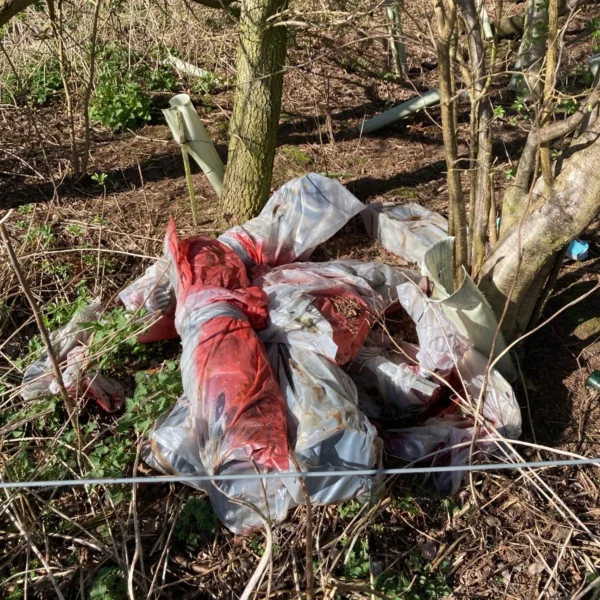
Asbestos waste cannot be disposed of through standard channels. Henderson Environmental operates as a licensed waste carrier and manages the safe transportation and disposal of hazardous materials at authorised facilities, ensuring full compliance and providing clients with complete documentation for peace of mind.
Professional services also provide reassurance that your property is safe for continued use or renovation. Learning how to spot asbestos is an important first step, but professional expertise is essential for its safe management, whether that involves removal, encapsulation, or compliant disposal.
Contact Henderson Environmental for support
If you are planning DIY work in a property built before 2000, it is wise to take a cautious approach. Before starting any intrusive work, consider whether asbestos may be present in the areas you plan to disturb.
Being proactive about how to spot asbestos can help you avoid costly delays, health risks, and potential legal issues. Taking the time to assess risks properly ensures your project can proceed safely and smoothly.
While visual clues and common locations can guide you, it is important to remember that asbestos cannot be confirmed without proper testing. If in doubt, always take a cautious approach and seek professional advice.
Henderson Environmental supports homeowners across the North East with safe, compliant asbestos services, helping you carry out projects with confidence and peace of mind. Get in touch today if you’re looking for licensed or non-licensed asbestos removal, abatement & encapsulation, or waste collection & disposal.
Testimonials