
Dealing with asbestos roofing on your garage or shed
Planning an outbuilding renovation on your garage or shed constructed before the year 2000? Garages and sheds built during this period frequently feature corrugated asbestos cement roofing sheets, which pose significant health risks if damaged or disturbed.
Understanding the condition and legal classification of your roofing sheets is the first crucial step before undertaking continuing any renovation work, no matter how big or small the job.
This guide breaks down how to identify asbestos roofing, the severe risks associated with DIY disturbance, and the exact legal requirements for safe handling and professional disposal so that you can continue your work with confidence.
Why garage and shed conversions need asbestos considerations
Between the 1950s and late 1990s, asbestos cement was hugely favourable for outbuilding roofs due to its durability, fire-resistance, and the low price of the material. Furthermore, its strength against bad weather made it a top choice for garages and sheds as it provided much-needed protection from harsh elements. Because of this, millions of residential structures built before the nation’s 1999 asbestos ban still feature these original roofing sheets today.
What do asbestos cement roofing sheets look like?
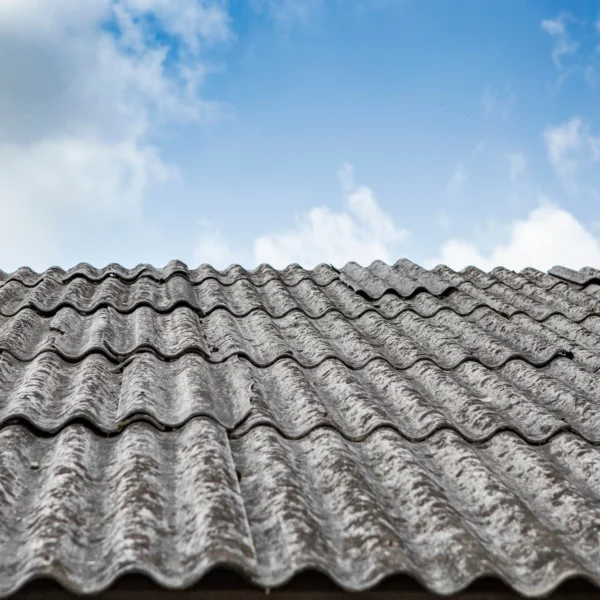
Asbestos cement roofing sheets are typically grey and corrugated, resembling the standard cement sheets. As they age, these panels become weathered and end up with a rough texture. Keep in mind that some sheets will have been factory-painted in neutral colours such as green or brown, meaning asbestos often cannot be positively identified by appearance alone.
How does ageing affect asbestos roofing?
As the roofing sheets age and weather through exposure to frost, rain, and sunlight, the underlying cement component begins to break down. This makes the sheets brittle and porous. They also become more likely to crack under pressure, which would release microscopic asbestos fibres into the air.
Weathered sheets are more likely to release fibres when walked on or disturbed, and this is why it’s so important to get a professional evaluation and handling as soon as you suspect a material contains asbestos.
Where else may asbestos be found in garages and sheds?
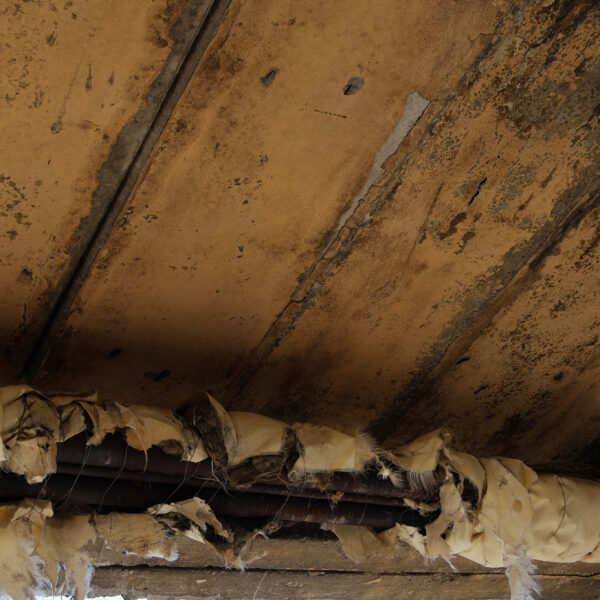
While asbestos in outbuildings is most commonly found in roofing sheets, it can also be found in fascia boards, gutters, downpipes, and soffits. Beyond these exterior drainage and trim components, asbestos was also commonly used in wall cladding, boiler flue pipes, Asbestos Insulating Board (AIB), and fireproof lining pads fixed behind electrical switchgear.
How conversion work can disturb asbestos-containing materials
Shed and garage conversions often involve structural alterations that can accidentally disrupt hidden asbestos.
The risks of disturbing asbestos roofing
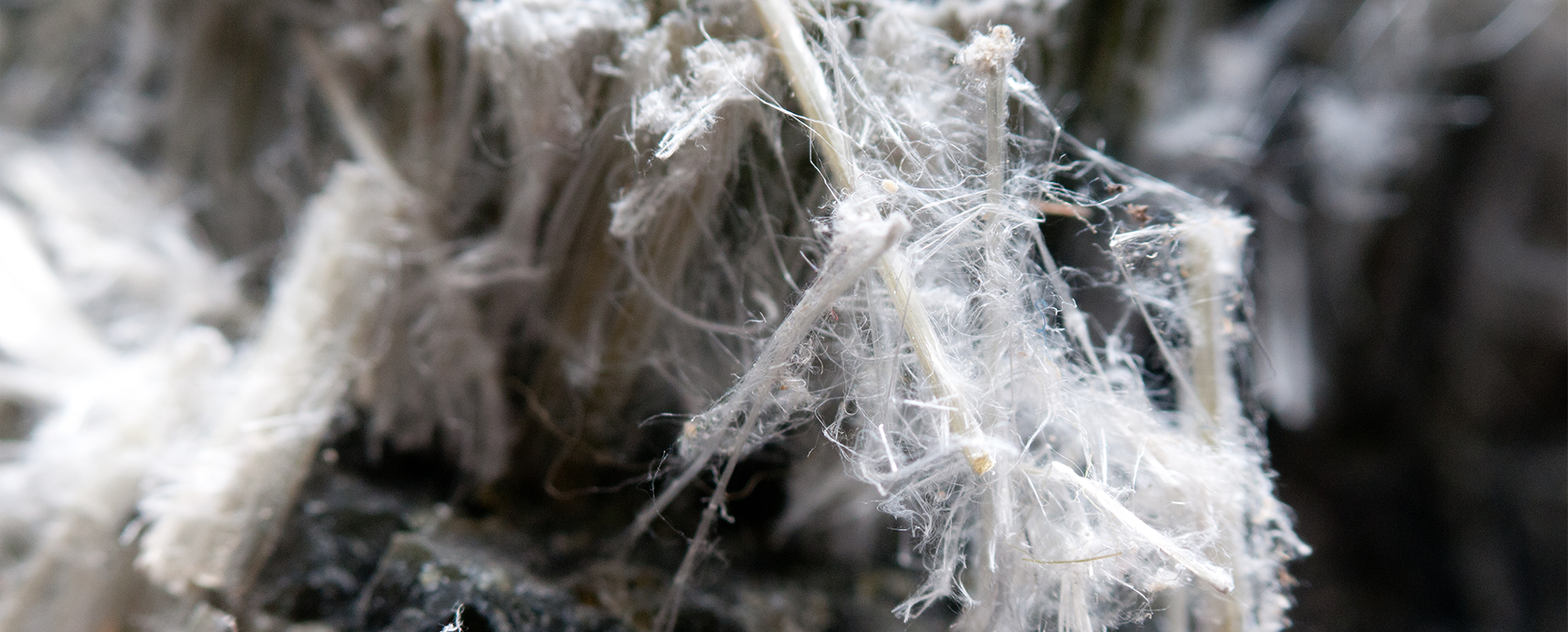
Disturbing asbestos-containing materials can release microscopic asbestos fibres into the air. If inhaled, these fibres can cause serious and potentially fatal long-term diseases, including mesothelioma, asbestos-related lung cancer and asbestosis.
These diseases can take several decades to develop, making it essential to avoid unnecessary disturbance of suspected asbestos-containing materials.
Common DIY tasks that escalate risks
It’s usually the aggressive methods of cleaning or renovating an outbuilding’s asbestos roof that result in the most severe safety hazards. Common features of DIY that accelerate asbestos disturbance include:
- Power tools like drills or angle grinders create dense clouds of fibrous dust
- Sawing the sheets tears through asbestos cement material and produces immediate fibre release in the immediate area
- Pressure washing strips away surface fibres and weakens the integrity of the sheets
- Scrubbing or scraping clean the sheets breaks down the brittle cement component
- Attempting to pry apart or break the sheets with a hammer or by other means causes the non-friable cement to snap
Even just a few minutes of one of these tasks can turn a garden project into a dangerous contamination that threatens the health of your household and neighbours.
Why non-licensed does not mean untrained or suitable for DIY
Because asbestos cement sheeting is classified as a lower-risk, non-licensed material, removing it does not legally require a contractor holding a specialist Health and Safety Executive (HSE) licence. However, ‘non-licensed’ is a regulatory distinction, not an indication that the job is safe, and DIY asbestos removal is never a good idea.
Even though the asbestos fibres are bound within cement, weathered or brittle roof sheets can easily crack, releasing microscopic fibres if handled incorrectly. Safe removal of asbestos roofing still requires:
- Specialist protective equipment (such as correctly fitted P3 respirators and disposable coveralls)
- Precise handling techniques to remove sheets whole without breaking or snapping them
- Dedicated dust suppression methods to keep fibres from becoming airborne
- Compliant hazardous waste containment and disposal using double-wrapped, heavy-duty polythene and approved transport
Attempting to remove an asbestos roof without the proper training and equipment puts you, your household, and your neighbours at significant risk of inhaling harmful fibres.
Additionally, homeowners carry a legal responsibility to ensure hazardous waste is disposed of safely without endangering others. Because asbestos cement cannot go in standard household skips or regular council tips without prior arrangement, unlawful dumping or fly-tipping carries severe financial penalties and the risk of criminal prosecution.
Hiring a trained professional to remove your asbestos roofing ensures the sheets are dismantled intact, vastly reduces airborne fibre release, and guarantees your waste is legally consigned and disposed of.
Getting an expert in to professionally remove asbestos protects your safety as a homeowner and vastly reduces the number of airborne fibres being released into the environment.
Planning asbestos removal into a garage or shed conversion
If you’re planning a garage or shed project, integrating asbestos management early into your timeline prevents delays and serious safety hazards.
Scheduling an asbestos survey before any work begins allows qualified specialists to accurately map out all hazardous materials and establish a clear, safe removal path upfront.
Additionally, factoring removal fees, appropriate waste transportation and disposal arrangements, and proper site decontamination directly into your initial budget and master schedule guarantees that contractors conducting conversion work are safe. We issue a Notification of Completion, which is a statement of cleanliness, so workers can have peace of mind.
The handling and disposal of asbestos roofing
Asbestos removal requires a highly structured approach to prevent hazardous airborne fibres from contaminating your property. Fibre suppression and material integrity is crucial to a successful removal and disposal.
Dismantling and fibre suppression
During removal, asbestos sheets must be carefully unfastened and kept intact, rather than breaking them off with physical force. Once loose, panels are lowered to the ground carefully to further prevent breakage and keep potential dust release under control.
Proper wrapping and hazard labelling
Once removed, the panels must be double wrapped in heavy-duty polythene sheeting and sealed securely with industrial tape. Every parcel must display prescribed red asbestos hazard labels warning handlers of the toxic content inside.
Redundant fixings, contaminated gloves, and protective suits must also be sealed within designated hazardous waste bags.
Transportation and legal disposal
Asbestos waste must be transported by an appropriately registered waste carrier to a suitably authorised waste facility, such as a licensed waste transfer station or landfill site permitted to accept asbestos waste. All transportation, handling and disposal must comply with applicable hazardous waste legislation.
Property owners should then receive a formal Hazardous Waste Consignment Note proving that the material was legally and safely processed.
What to do if suspected asbestos is discovered during the project
If you discover suspected asbestos while working on your garage or shed roof, you should stop work immediately and follow these steps.
1. Stop work immediately to avoid any disturbance of the material.
2. Clear the area and prevent access to the space as best as you can.
3. Never attempt to clean up the asbestos yourself as vacuuming or sweeping with household cleaning items will only encourage the spread of dust and debris.
4. Contact a qualified asbestos specialist as soon as the area is secure for a professional sampling and inspection. Once the material type has been confirmed, options for encapsulation or removal can be decided upon.
Henderson Environmental’s asbestos removal and waste disposal services
Successful asbestos roofing requires caution and expertise. While intact asbestos cement panels present a lower risk when undisturbed, any renovation works drastically escalate the potential for hazardous fibre release. No matter how small the risk seems, continuing with your renovation with the knowledge that asbestos is present is a dangerous gamble with your health and property.
A qualified professional ensures that every stage of asbestos removal or containment is expertly taken care of in compliance with HSE regulations. At Henderson Environmental, we have a knowledgeable and dedicated team who inspect and safely remove Asbestos Containing Materials (ACMs) across all types of outbuildings.
When it comes to asbestos, it’s better to be safe than sorry. Get in touch today for a free, no-obligation consultation and expert advice on managing asbestos within your garage or shed project.
Testimonials