
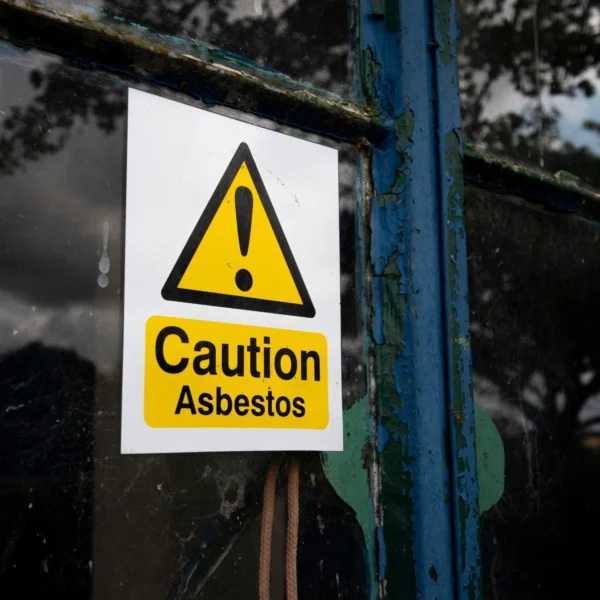
7 asbestos warning signs you should look out for at home
Before its ban in 2000, asbestos was widely used in UK construction, which means it can still be found in many older properties today, often hidden within building materials.
As these materials are not always immediately identifiable, understanding the potential warning signs is important in helping homeowners reduce the risk of accidental disturbance and exposure.
In this guide, we outline seven common signs that may indicate the presence of asbestos within a property, helping you recognise potential risks at an early stage.
1. Ageing garage roofs and outbuildings
Asbestos cement sheets were widely used in garage roofs, sheds, and other outbuildings throughout the UK. Their popularity stemmed from their durability, weather resistance, fire-resistant properties, and relatively low cost, making them a common choice for external structures.
Over time, however, exposure to the elements can cause these materials to deteriorate. Common asbestos warning signs include visible cracks, chipped or flaking edges, surface erosion, and the presence of moss or lichen growth.
While asbestos cement is generally considered lower risk when left undisturbed and in good condition, deterioration can increase the likelihood of fibres being released if the material becomes damaged.
These materials are most commonly found in older detached garages, garden sheds, barns, and lean-to structures, particularly where the roofing appears original or has not been replaced. Homeowners should avoid drilling, cutting, sanding, or jet washing asbestos cement surfaces, as disturbing the material can increase the risk of fibre release.
2. Damaged or crumbling insulation boards
Asbestos insulation boards (AIB) were commonly installed in UK homes and commercial properties for fire protection, thermal insulation, and partitioning. Unlike asbestos cement products, AIB typically contains a much higher concentration of asbestos fibres, making it significantly more hazardous if damaged or disturbed.
These boards were often fitted within walls, ceilings, soffits, door panels, and boiler cupboards due to their heat- and fire-resistant properties.
One of the clearest asbestos warning signs to be aware of is visible deterioration. Crumbling edges, cracks, impact damage, surface delamination, or exposed fibres can all indicate that asbestos insulation boards are beginning to break down.
In some properties, previous maintenance work or DIY alterations may have left sections chipped, drilled, or partially exposed, increasing the potential for airborne asbestos fibres to be released.
Higher-risk locations for AIB often include airing cupboards, service risers, loft access points, and areas surrounding older heating systems, where additional insulation and fire protection were commonly required. As many of these spaces are enclosed and poorly ventilated, disturbing damaged materials can significantly increase the risk of exposure.
3. Crumbling pipe lagging
In many properties, pipework was insulated using asbestos-based lagging to improve heat retention and provide additional fire protection around heating systems. This insulating material was typically applied to hot water pipes, boilers, and central heating systems before asbestos was banned in the UK.
In some cases, the lagging remains hidden behind boxed-in pipework, inside service ducts, or around older boiler installations.
As pipe lagging ages, it can begin to deteriorate through prolonged exposure to moisture, temperature fluctuations, vibration from heating systems, or general wear and tear. Unlike more solid asbestos-containing materials, pipe lagging is often softer and far more fragile, making it particularly susceptible to damage and fibre release when disturbed.
Common warning signs include cracked or flaking insulation, damaged outer coverings, loose debris beneath pipework, or exposed fibrous material around pipe joints and bends.
These materials are most frequently found in basements, loft spaces, airing cupboards, boiler rooms, and older utility areas where original heating infrastructure remains in place. As these areas are often enclosed or infrequently accessed, deteriorating lagging can remain unnoticed for many years.
Pipe lagging is considered one of the higher-risk asbestos-containing materials because of its friable nature, meaning asbestos fibres can be released into the air more easily if the material becomes damaged or disturbed.
4. Old ceiling tiles and suspended ceilings
Many older homes and commercial buildings contain ceiling materials that were manufactured with asbestos for added fire resistance, insulation, and soundproofing.
Acoustic ceiling tiles, suspended ceiling systems, and fire-resistant ceiling panels were regularly installed in areas such as kitchens, hallways, garages, offices, and utility spaces before asbestos was banned in the UK. In some properties, these original materials may still be concealed above newer ceiling finishes or within suspended ceiling voids.
As these materials age, visible signs of deterioration can begin to appear. Common warning signs include water staining, sagging ceiling sections, cracked or broken tiles, and loose panels around light fittings or ventilation points. Even relatively minor damage can increase the risk of asbestos fibres being released if the material contains asbestos.
Ceiling spaces can present a particular risk during maintenance, refurbishment, or DIY work. Activities such as fitting spotlights, rewiring electrics, removing ceiling tiles, or accessing loft areas can unintentionally disturb asbestos-containing materials hidden above suspended ceilings.
As many asbestos ceiling products closely resemble modern non-asbestos alternatives, the presence of asbestos may not be identified until the material has already been disturbed.
5. Textured coatings (e.g. Artex ceilings)
Textured decorative coatings, including Artex-style finishes, became a popular feature in UK homes throughout the 1960s, 70s, and 80s. Often applied to ceilings and walls to create patterned finishes and conceal imperfections, many of these coatings contained small amounts of asbestos to improve strength and durability before its use was prohibited.
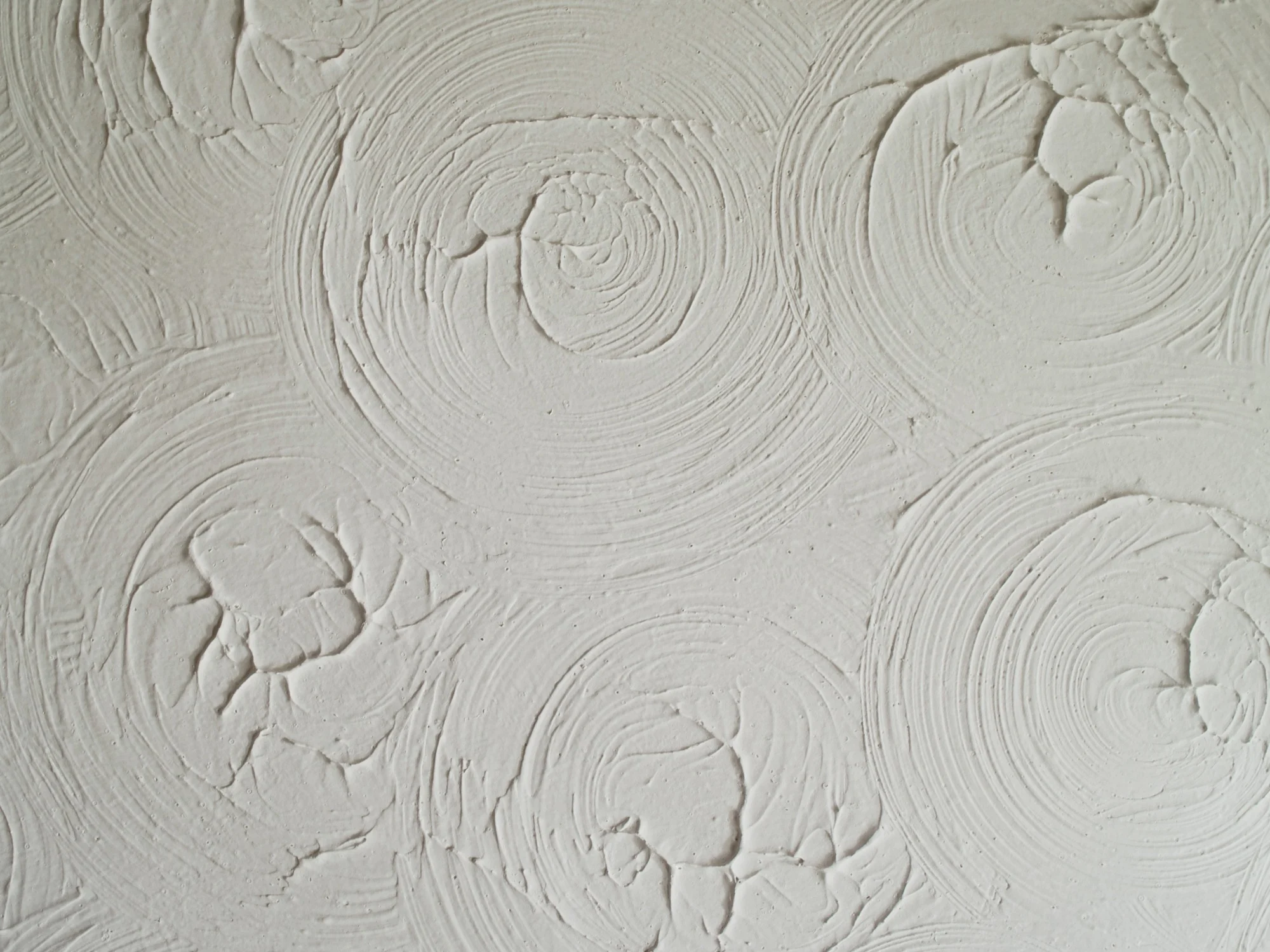
These materials are most commonly found on ceilings, stairwells, and feature walls, with swirl, stipple, and textured patterns particularly common in living rooms, hallways, and bedrooms. While textured coatings are generally regarded as lower risk when intact and undisturbed, the potential danger increases once the surface is damaged or altered.
One of the key asbestos warning signs is evidence of previous disturbance, such as sanding marks, drilled holes, scraping, cracks, or partially removed coatings. Everyday DIY tasks, including installing light fittings, mounting shelves, or attempting to plaster over textured ceilings, can inadvertently disturb asbestos-containing materials and release fibres into the air.
6. Flaking or deteriorating floor tiles and adhesives
Older vinyl floor tiles and the adhesives used to secure them may contain asbestos. These materials were favoured for their durability, cost-effectiveness, and resistance to everyday wear, making them a popular flooring choice in kitchens, hallways, bathrooms, and utility areas.
In many homes, original asbestos-containing flooring may still remain hidden beneath newer surfaces such as carpet, laminate, or modern vinyl coverings.
As these materials age, signs of deterioration can begin to appear. Cracked or broken tiles, lifting corners, curling edges, excessive surface wear, and brittle flooring that fractures easily under pressure can all indicate ageing asbestos-containing materials.
In some cases, the bitumen-based adhesive beneath the tiles may also begin to degrade, appearing as a dark, sticky, or brittle residue where flooring has lifted or been removed.
The greatest risk typically arises during renovation, refurbishment, or replacement work. Lifting old tiles, scraping adhesive residue, sanding surfaces, or using power tools can disturb asbestos-containing materials and potentially release fibres into the air.
7. Unlabelled or unknown building materials in older properties
Additional common asbestos warning signs are simply encountering building materials that are unlabelled, unfamiliar, or difficult to positively identify. Asbestos was used across a wide range of construction products in the UK, meaning it can still be present in a variety of concealed or unexpected locations.
This may include insulation products, boards, roofing materials, flooring systems, and fire-resistant components. The difficulty lies in the fact that asbestos-containing materials often closely resemble modern, non-asbestos alternatives.
Over time, renovations, repairs, and cosmetic updates can also conceal or obscure original building materials, making identification even more challenging. As a result, asbestos may be inadvertently disturbed during activities such as drilling, removing panels, or undertaking refurbishment work.
Why you should never rely on visual identification alone
One of the most important things for homeowners to understand is that asbestos cannot be identified by sight alone. Even trained professionals cannot reliably confirm whether a material contains asbestos simply by looking at it, as many asbestos-containing products were intentionally designed to resemble safe, non-asbestos alternatives.
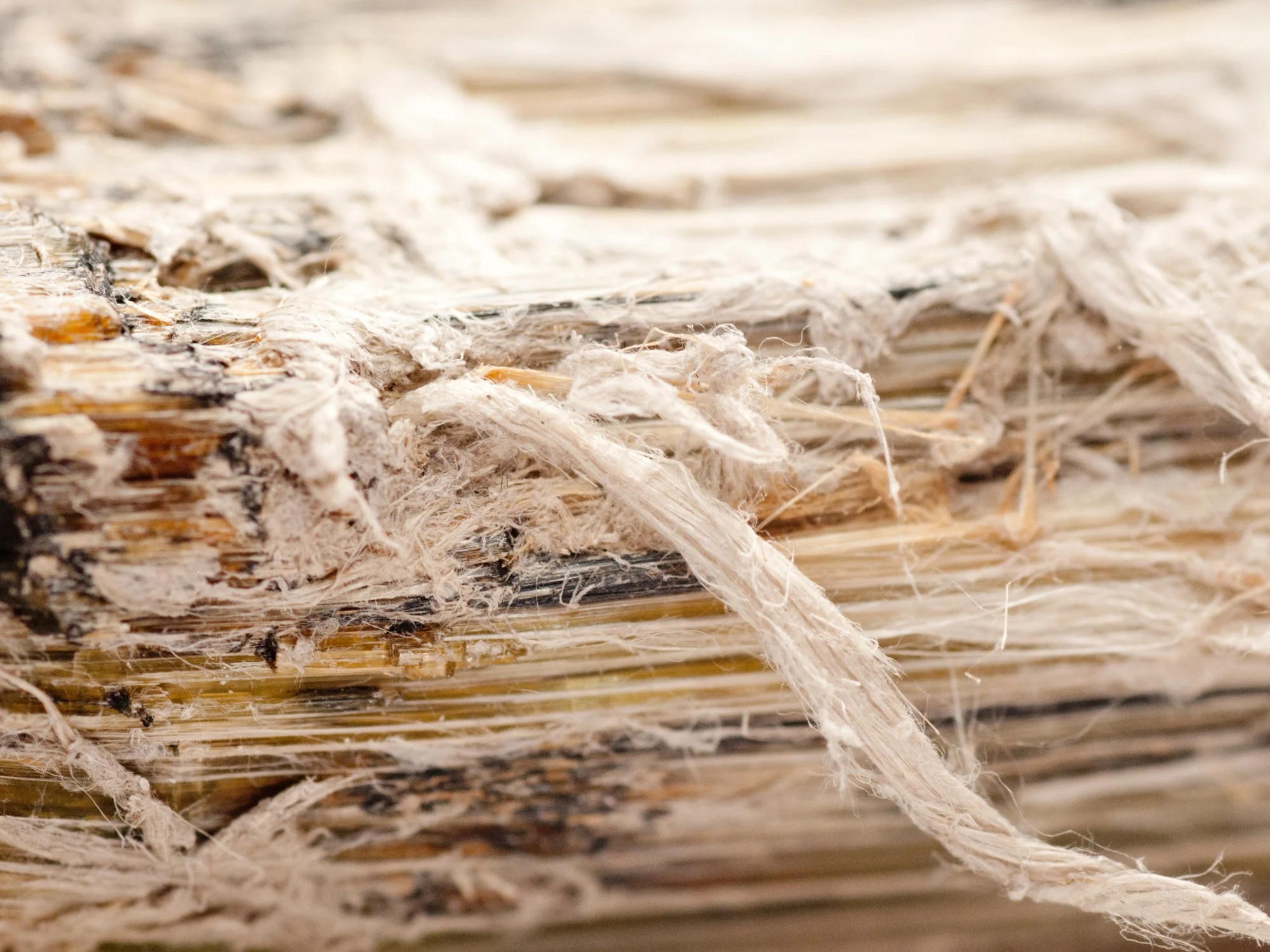
Materials such as insulation boards, textured coatings, floor tiles, and pipe lagging can therefore appear completely ordinary while still posing a hidden risk. Because of this, relying on visual checks alone can be both misleading and dangerous. Two materials may look almost identical, yet only one may contain asbestos.
Making assumptions about safety can lead to accidental disturbance during DIY work, renovations, or repairs. Once damaged, asbestos-containing materials can release microscopic fibres into the air that are invisible to the naked eye and may remain airborne for extended periods.
For this reason, disturbing any suspected asbestos-containing material without proper testing or professional assessment is strongly discouraged. Even seemingly minor activities, such as drilling, sanding, scraping, or breaking materials, can increase the risk of fibre release and potential exposure if asbestos is present.
What to do if you suspect asbestos in your home
If you believe you may have identified one of the asbestos warning signs within your property, the most important thing to do is avoid disturbing the material. Do not attempt to remove it yourself, as even minor disturbance can release asbestos fibres into the air if the material contains asbestos.
It is equally important to avoid carrying out your own investigation or attempting to ‘test’ the material by breaking off samples or exposing hidden areas. Many asbestos-containing materials are fragile or concealed within the structure of a property, meaning unnecessary interference can significantly increase the risk of fibre release and exposure.
The safest course of action is to arrange a professional asbestos survey. Qualified specialists can assess suspected materials, carry out sampling where required, and confirm whether asbestos is present in a safe and controlled manner.
This provides a clear understanding of both the presence and condition of any asbestos-containing materials without putting occupants at unnecessary risk.
If asbestos is identified, the appropriate next steps will depend on the type, location, and condition of the material. In some cases, materials that remain in good condition may be safely managed in place through regular monitoring and controlled management.
In other situations, particularly where materials are damaged or likely to be disturbed during future work, removal by licensed asbestos professionals may be recommended.
How Henderson Environmental can help
At Henderson Environmental, we provide expert asbestos removal services to help homeowners safely manage and remove asbestos-containing materials.
Whether the concern is ceilings, flooring, insulation, or pipework, our experienced team can carry out detailed inspections and offer clear, practical guidance on the safest way forward.
If removal is necessary, we deliver safe, controlled asbestos removal services in line with current UK regulations, ensuring your property is protected throughout every stage of the process.
If you have noticed any of the asbestos warning signs outlined in this guide, it’s important not to delay. Contact us to arrange a professional assessment and gain clear peace of mind about the safety of your home.

Testimonials