

Asbestos tile removal and refurbishment: staying safe during upgrades
In the UK, one of the most common and frequently overlooked hazards during renovations are right beneath your feet: asbestos floor tiles.
While they may look like ordinary vinyl or thermoplastic flooring, these tiles represent a significant health risk if handled incorrectly. In this guide, we will explore why asbestos tile removal is an important component of a safe building upgrade, the risks of disturbing these materials, and why professional intervention is the best way to create a safe environment for everyone involved.
Where and why asbestos floor tiles exist
Between the 1950s and the late 1990s, asbestos was a staple ingredient in the manufacturing of floor tiles across the UK.
Common locations and eras
If your building (whether a commercial office, a school, a hospital, or a residential property) was constructed or renovated before the total ban in 1999, there is a high probability that asbestos may be present.
Asbestos-containing materials (ACMs) in flooring were particularly popular in:
- Education and healthcare settings due to their durability in high-traffic corridors and wards.
- Commercial offices in areas such as stairwells, basements, and utility rooms.
- Residential properties in kitchens, bathrooms, and hallways.
While the tiles themselves usually come in various colours, they often have a characteristic mottled or speckled appearance that was popular in mid-century design.
Black bitumen mastic
Perhaps the most significant risk associated with these floors isn’t the tile itself, but what was used to stick it down. Most asbestos floor tiles were laid using black bitumen adhesive.
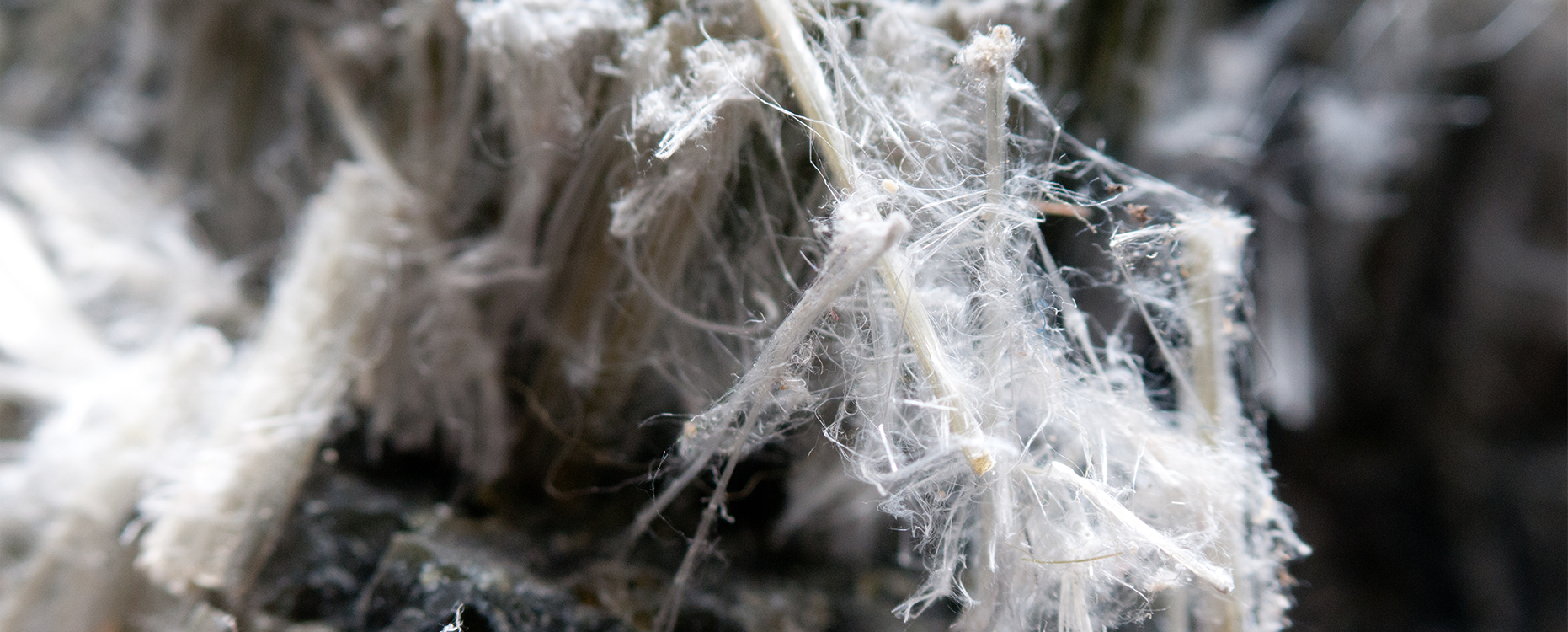
This dark, tar-like substance commonly contains Chrysotile (white asbestos). Because this adhesive is thin and can easily be ground into dust during the removal of the top flooring layer, it often poses a higher risk of fibre release than the tiles themselves.
It is a common mistake for contractors to remove the tiles safely but leave the hazardous adhesive exposed or attempt to sand it away which can lead to significant fibre release and widespread contamination if uncontrolled.
Why refurbishment projects increase asbestos risk
In their dormant, undisturbed state, asbestos floor tiles are generally considered low risk. The fibres are tightly bound within a vinyl or thermoplastic matrix, meaning they aren’t easily released into the air. This is why many buildings have safely housed these tiles for decades.
However, the risk level increases if refurbishment work disturbs or mechanically damages asbestos-containing flooring. The following activities are dangerous:
- Using shovels or floor scrapers to pry up tiles often causes them to snap or shatter.
- Sanding down the subfloor or the remaining bitumen adhesive, effectively aerosolising the asbestos. This dust can travel through ventilation systems and rapidly contaminate the building.
- Installing new partitions or running utility cables often requires cutting through existing floor layers. If those layers contain asbestos, the high-speed friction of a saw will release hazardous dust.
- Beneath the surface, old tiles can become brittle or friable due to age or moisture ingress. What looks like a solid tile on top may crumble and become hazardous.
The danger of DIY
It is a common misconception that because floor tiles are non-licensed (meaning they don’t always require a 14-day HSE notification for removal), they can be handled by any tradesperson. Here’s why that assumption can create unnecessary risk:
1. Lack of controlled conditions
Professional asbestos removal requires a wetting process to suppress dust, specialised HEPA-filtered Class H vacuums, and often the construction of polythene enclosures to prevent cross-contamination. DIYers or general builders rarely have access to this equipment, meaning the dust they create stays in the building long after the job is done.
2. Improper Personal Protective Equipment (PPE)
A standard dust mask from a hardware store will not stop asbestos fibres. Professional teams use specific Respiratory Protective Equipment (RPE) that is fit-tested to the individual. Without this, the person removing the tiles is at direct risk of inhaling fibres that can lead to asbestosis, lung cancer, or mesothelioma.
3. Waste handling and disposal
Asbestos is hazardous waste. It cannot be thrown in a standard skip or taken to a local tip. It must be double-bagged in approved packaging, labelled correctly, and transported to a licensed hazardous waste facility with a full consignment note for traceability. Failure to do this can result in heavy fines and environmental prosecution.
Legal responsibilities under CAR 2012
As a property owner, employer, or duty holder, you have strict legal obligations under the Control of Asbestos Regulations 2012 (CAR 2012). These include:
The need for R&D surveys
A regular management survey used for day-to-day building occupation is not sufficient for refurbishment work. Before any intrusive work begins, you are legally required to commission a Refurbishment and Demolition (R&D) Survey.
The surveyor will lift floorboards, check beneath carpets, and take samples of adhesives to ensure that every hidden hazard is identified before any work begins. Engaging in a refurbishment project without an R&D survey is a direct breach of Health and Safety law.
Benefits of professional asbestos tile removal
Choosing to invest in professional asbestos removal during your building upgrade offers far more than just compliance. It provides a strategic advantage to your project. Here’s how:
Minimised downtime
Professional teams work efficiently using proven methods. By dealing with the problem correctly the first time, you avoid the massive delays and costs associated with emergency decontamination.
Once Henderson Environmental has cleared an area, your contractors can work with total confidence, knowing they aren’t at risk. You receive full waste consignment notes and, where required, air clearance certificates. This is vital for your building’s long-term health and safety file.
Planning your refurbishment safely
Successful asbestos management is all about early intervention. If you are a facility manager or property owner, follow these steps to stay ahead of the curve:
- Book your R&D survey at the design stage, not a week before the builders arrive.
- Asbestos removal is a specialist trade. Ensure you have a dedicated budget line for asbestos tile removal.
- Plan for the asbestos removal to take place when the building (or the specific zone) is vacant. This allows for the most efficient and safe removal process.
Why choose Henderson Environmental?
At Henderson Environmental, we understand that every refurbishment project is unique. Our approach to asbestos tile removal is built on over 40 years of experience and a commitment to safety-led innovation.
Our teams are specifically trained in the nuances of flooring removal, ensuring that even the most stubborn bitumen adhesives are handled or encapsulated correctly. We use the latest dust-suppression technologies and industrial-grade filtration to ensure the air in your building remains clean.
Our work is audited to the highest national standards, and we are proud members of ARCA (Asbestos Removal Contractors Association).
We understand that building refurbishments, whether domestic or commercial, are a big undertaking with tight timeframes. This is why we leave the refurbishment area meticulously clean, compliant, and ready for your next phase of work.
Don’t let asbestos tile removal become a roadblock to your refurbishment goals. Whether you are managing a small office upgrade or a large-scale industrial strip-out, Henderson Environmental is here to provide the expertise you need to keep your project moving.
Contact our North East team today for an expert consultation or to book your refurbishment survey.
Testimonials