

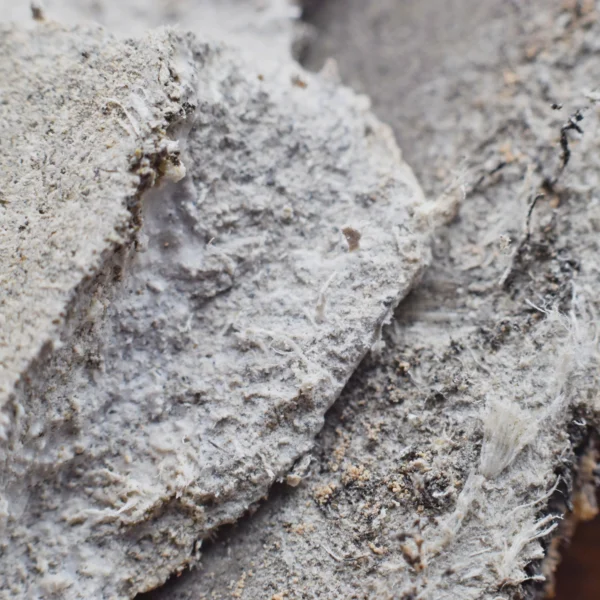
Asbestos encapsulation explained
Asbestos remains a significant concern in many buildings across the UK that were built or refurbished before the year 2000.
While its use has long been banned, asbestos-containing materials (ACMs) can still be found in insulation, boards, roofing products, and other building components. When these materials are disturbed or begin to deteriorate, they can release harmful fibres into the air, causing serious health risks if inhaled.
In some cases, full asbestos removal is the most appropriate course of action. However, removal is not always necessary, particularly when ACMs are in good condition and unlikely to be disturbed. In these situations, asbestos encapsulation can provide a safe and effective alternative.
In this blog post, we will explain what asbestos encapsulation is, how it works, when it may be suitable, and the key factors that must be considered before choosing this approach.
What asbestos encapsulation means
Asbestos encapsulation is a control method used to manage ACMs by sealing them in place rather than removing them. The purpose of encapsulation is to prevent asbestos fibres from being released into the air, reducing the risk of exposure while containing the material.
Instead of disturbing the asbestos, specialist products are applied to form a protective barrier around the material. This barrier stabilises the surface, prevents further degradation, and significantly lowers the likelihood of fibre release during normal use of the building.
There are several recognised methods of asbestos encapsulation, depending on the type, condition and location of the ACM. These include the application of specialist coatings or paints designed to bind fibres and create a durable sealed surface, as well as penetrating sealants that soak into the material to strengthen and lock fibres in place.
In higher-risk or more exposed areas, strong encapsulation boards or wraps can be installed to provide an additional physical barrier. The aim of asbestos encapsulation is to contain the asbestos safely and ensure the material can be effectively managed in line with health and safety regulations.
Why asbestos encapsulation is used
Encapsulation is particularly suitable in areas where the asbestos is unlikely to be disturbed during normal building use. This may include sealed voids, service areas, or locations where access is limited, and future works are not planned.
In some cases, removing asbestos can create a greater short-term risk than managing it, as removal activities may increase the potential for fibre release and require extensive control measures. Encapsulation can therefore provide a safer and more practical alternative, especially in occupied buildings where maintaining day-to-day operations is important.
Benefits of asbestos encapsulation
When appropriately used, asbestos encapsulation offers a range of benefits. This includes:
Lower costs compared to full removal
Encapsulation can help control project costs by avoiding the extensive equipment often required for removal works. By managing the asbestos where it is, there is typically less need for large-scale enclosures or complex waste handling, while still achieving a compliant and effective level of risk control.
Minimal disruption to building occupants and operations
Encapsulation is well suited to environments where access needs to be maintained, and disruption kept to a minimum. The controlled nature of the work allows many buildings to stay operational throughout the process, reducing the impact on employees or residents and limiting the need for temporary closures.
Faster project times
As encapsulation involves fewer operational stages than removal, works can often be planned and completed within shorter timeframes. This can be particularly beneficial for organisations working to tight schedules or where extended downtime would create operational or financial pressures.
Long-term protection when correctly specified and maintained
When selected following a suitable survey and risk assessment, encapsulation can provide durable, long-term control of asbestos risks. Through sealing and stabilising the material, further degradation is slowed and fibre release is prevented, provided the encapsulated areas are monitored and maintained as part of an ongoing asbestos management plan.
Limitations and important considerations
While asbestos encapsulation can be an effective risk management solution in the right circumstances, it is not suitable in every situation. There are important limitations and factors that must be carefully considered. This includes:
Damaged or deteriorating materials
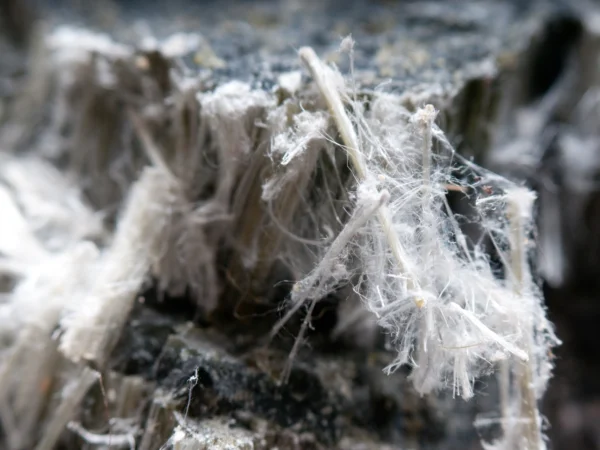
Encapsulation is not appropriate where asbestos-containing materials are already significantly damaged or deteriorating. Crumbling surfaces or water-damaged materials may not provide a stable base for encapsulation products to adhere to effectively. In these cases, encapsulation may fail to control the risk and could give a false sense of security.
High risk of fibre release
Where asbestos-containing materials are easily damaged or located in areas subject to vibration, airflow or frequent contact, the risk of fibre release may be too high for encapsulation to be considered a suitable control measure.
Certain types of insulation or asbestos insulation board (AIB) in poor condition can present higher levels of risk that require specific work methods.
Depending on the asbestos type and its condition, work on these materials may need to be carried out as licensed work under fully controlled conditions. In these scenarios, full removal by a licensed asbestos contractor may be the safest and most compliant option.
Areas likely to have future refurbishment or disturbance
Encapsulation may not be appropriate in areas where future refurbishment or maintenance are planned. Any disturbance of encapsulated asbestos could compromise the protective barrier and increase the risk of fibre release. Where future works are expected, removal may offer a more practical long-term solution.
How the asbestos encapsulation process works
Asbestos encapsulation is a controlled process that must be carefully planned and carried out by trusted, competent professionals. Each stage is designed to ensure the asbestos-containing material is stabilised, effectively sealed, and safely managed in line with regulatory requirements. Here is the process:
Initial asbestos survey and condition assessment
The process begins with a professional asbestos survey to confirm whether asbestos-containing materials are present and to understand their nature and condition. This assessment is essential in determining whether encapsulation is an appropriate and effective control measure.
The survey findings help establish how stable the material is and how likely it is to be affected by everyday building use. These factors inform the overall risk assessment and guide decisions on the most suitable management approach.
While we do not carry out asbestos surveys ourselves, we can advise you on engaging suitably qualified and experienced professionals to ensure the assessment is completed correctly.
Risk assessment and method statement
Based on the survey findings, a detailed risk assessment is undertaken to evaluate the potential for fibre release and the level of control required. A method statement is then produced, setting out how the encapsulation work will be carried out safely, including control measures and procedures to prevent contamination.
Surface preparation and cleaning
Before encapsulation products are applied, the surface of the asbestos-containing material must be properly prepared. This may involve gentle cleaning using controlled techniques to remove dust or debris without disturbing the material. Any preparation work is carried out carefully to minimise fibre release and ensure effective adhesion of the encapsulant.
Application of the chosen encapsulation system
Once prepared, the selected encapsulation system is applied by trained specialists. This may involve specific coatings or strong encapsulation systems, depending on the material’s type, condition and location. The application creates a continuous protective barrier that stabilises the asbestos and prevents fibre release.
Quality checks, labelling, and documentation
After application, quality checks are carried out to confirm that the encapsulation has been completed correctly and provides full coverage. Encapsulated areas are clearly labelled to ensure future awareness and all relevant documentation is updated, including asbestos registers and management plans.
Ongoing monitoring and management recommendations
Encapsulation does not eliminate asbestos and requires ongoing management.
Regular inspections are recommended to monitor the condition of the encapsulated material and ensure the protective barrier remains intact. Any changes in condition or planned works should trigger a review of the asbestos management plan to maintain continued safety and compliance.
Compliance and safety requirements
Asbestos encapsulation must always be carried out in full compliance with Health and Safety Executive (HSE) guidance and relevant UK legislation. While encapsulation can be a safe and effective control measure, it is only compliant when managed in accordance with regulatory requirements.
The Control of Asbestos Regulations set out the legal duties for managing asbestos-containing materials, including the need to prevent exposure to asbestos fibres and to reduce risks so far as is reasonably practicable.
Encapsulation is recognised within these regulations as an acceptable management option, provided it is suitable for the type and condition of the material and forms part of an effective asbestos management plan.
Competent removal specialists, such as ourselves, understand when encapsulation is permissible and what controls are required to protect workers and building occupants. We follow approved methods of work, use suitable materials, and ensure that all safety procedures are correctly implemented.
Why choose Henderson Environmental
At Henderson Environmental, we have extensive experience delivering safe, compliant asbestos encapsulation solutions across a wide range of buildings. We understand that every asbestos situation is unique, which is why our approach is always based on careful assessment, clear advice, and proportionate risk management.
Our encapsulation works are carried out by trained, qualified teams using quality-assured materials specifically designed for asbestos control. We use strict procedures at every stage of the process, ensuring all work complies fully with HSE guidance and the Control of Asbestos Regulations.
We work across both commercial and residential environments, including offices, public buildings, industrial premises and private properties. This experience allows us to deliver effective encapsulation solutions in occupied buildings and sensitive locations.
We regularly undertake projects that combine encapsulation with other asbestos management measures, depending on the condition of the materials and the long-term needs of the building.
Contact us today to discuss your requirements and ensure your asbestos risks are managed safely and effectively.



Testimonials