


The Wizard of Oz and asbestos: a harmful Hollywood history
The snowfall scene in The Wizard of Oz is one of cinema’s most enchanting moments – showing a gentle flurry of white flakes settling over Dorothy and her friends as they drift into a magical sleep. But behind this magical film moment lies a troubling truth. The ‘snow’ wasn’t snow at all. It was made entirely from asbestos.
In this blog post, we explore the hidden dangers behind one of Hollywood’s most iconic films, and how its production reflects a wider story about asbestos use throughout the 20th century.
A magical movie with a dangerous secret
When The Wizard of Oz premiered in 1939, it instantly became one of Hollywood’s most beloved classics.
Its vibrant Technicolor scenes, unforgettable songs, and magical storytelling captured hearts around the world. Among its most memorable moments is the ‘snow scene’ where Dorothy, the Scarecrow, the Tin Man, and the Cowardly Lion lie asleep in a poppy field until a gentle shower of snow awakens them.
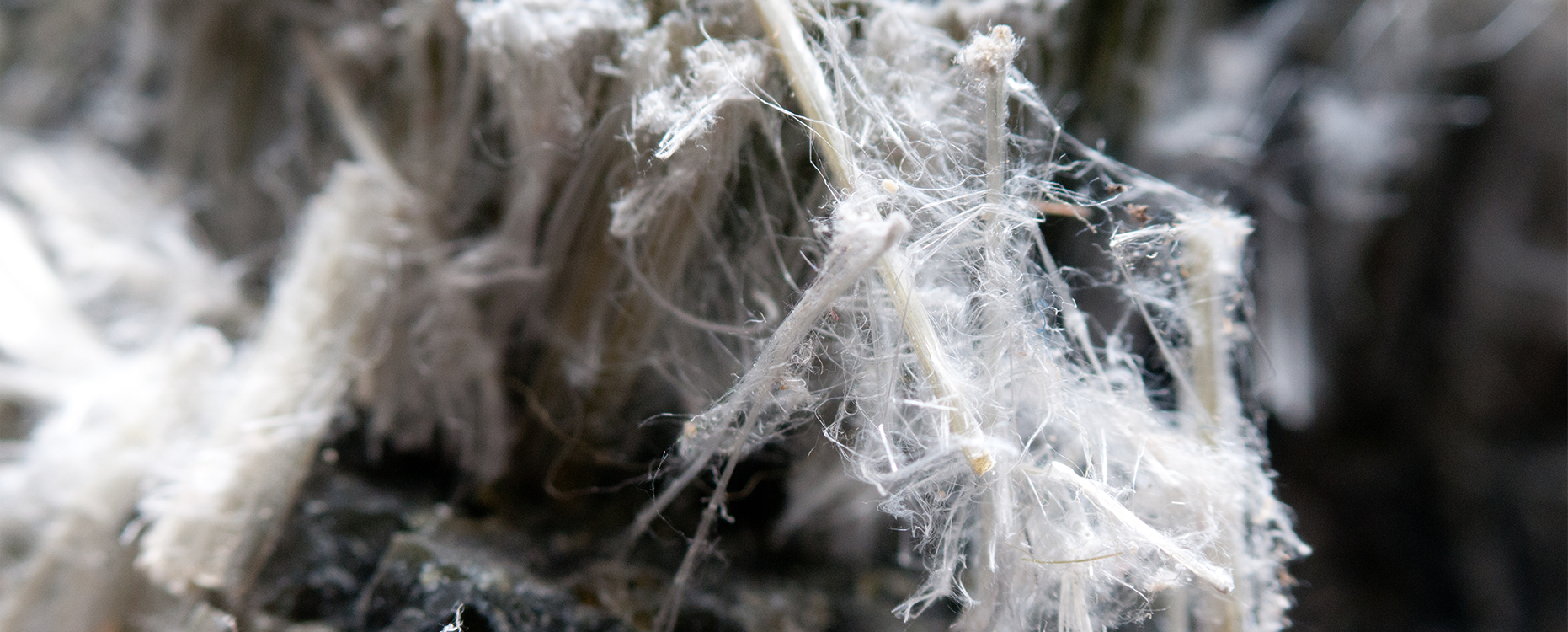
The snow that drifted down so gracefully wasn’t made from harmless flakes, though. It was created using chrysotile asbestos, also known as ‘white asbestos.’
At the time, this material was widely used in film production in Hollywood due to its soft, fluffy appearance, its resistance to fire, and its low cost. Production crews would scatter it over sets to mimic snowfall, completely unaware of the risks.
In 1939, asbestos was seen as a wonder material rather than a threat. Its dangers, particularly its link to serious health conditions such as mesothelioma and asbestosis, were not yet understood. What was once considered movie magic is now recognised as an alarming reminder of how commonplace and casual asbestos use once was.
Asbestos in Hollywood: a common practice
While The Wizard of Oz is perhaps the most famous example of asbestos on film, it was by no means the only one. During the ‘Golden Age of Hollywood’, asbestos was a staple material used across countless productions, particularly those that called for winter wonderlands and festive snowfall.
Films like Holiday Inn (1942), White Christmas (1954), and It’s a Wonderful Life (1946) all featured snow scenes created using white asbestos.
However, the use of asbestos in Hollywood went far beyond a few snow scenes. Production crews used it liberally across sets. Asbestos was considered ‘a safer alternative to cotton or paper snow’ which were major fire hazards under the hot studio lights of the era.
Even costumes weren’t exempt. In The Wizard of Oz, the Scarecrow’s outfit reportedly contained asbestos padding to protect actor Ray Bolger during scenes involving fire.
This practice wasn’t uncommon. Many of Hollywood’s most beloved films unintentionally exposed actors and crew members to the material, with asbestos linings often used in costumes, backdrops, and props to improve fire safety on set.
It’s disturbing to think that some of cinema’s most heart-warming and iconic moments, from Bing Crosby singing White Christmas to George Bailey running through the snowy streets of Bedford Falls, were made possible by a substance now recognised as one of the most dangerous materials ever used.
The hidden health cost
Behind the glitz and glamour of Hollywood’s golden years lay a danger invisible to the stars who brought those classic films to life.
Asbestos exposure occurs when tiny fibres become airborne and are inhaled or ingested. Once inside the body, these microscopic fibres can lodge in the lungs or other tissues, causing inflammation and scarring that may not manifest as illness for decades.
The health effects of asbestos exposure are now well-documented, and devastating. As mentioned earlier in this blog post, prolonged or repeated exposure can lead to life-threatening diseases such as:
- Mesothelioma, an aggressive cancer that develops in the lining of the lungs or abdomen
- Asbestosis, a chronic lung disease that causes severe scarring and breathing difficulties
- Asbestos-related lung cancer
These conditions can take anywhere from 10 to 50 years to appear, meaning that many people exposed on film sets in the 1930s–1950s may not have shown symptoms until long after their careers had ended.
Actors, stagehands, costume designers, and set decorators all faced potential exposure. Fake asbestos snow was often thrown directly over performers, sometimes by the handful, creating dense clouds of fibres that lingered in the air. There were no masks, no ventilation systems, and certainly no awareness of the invisible danger swirling around them.
Thankfully, awareness of asbestos’s dangers has come a long way since then. As scientific understanding grew throughout the 20th century, regulations were gradually introduced to restrict and ultimately ban the use of asbestos in many countries, including the UK.
Today, strict laws govern the handling, removal, and disposal of asbestos, and specialist contractors ensure that it’s managed safely to prevent exposure. Yet, the legacy of asbestos remains, in older buildings, historical sets, and the memories of those exposed long before the risks were known.
That’s why ongoing asbestos management, education, and awareness are so important. By understanding its history and continuing to handle asbestos responsibly, we can ensure that no one else suffers the hidden health costs of this once-celebrated ‘miracle material.’
Lessons for today
Asbestos is still present in many older buildings across the UK, from offices and factories to schools and homes.
Just as actors and film crews once unknowingly breathed in asbestos fibres on set, today’s workers, tradespeople, and property owners may still face similar risks if asbestos-containing materials are disturbed during maintenance, renovation, or demolition.
Understanding the history of asbestos, and how its dangers were once underestimated, is key to preventing future harm.
At Henderson Environmental, we apply that understanding every day. Our team of qualified specialists carries out safe, efficient asbestos removal to ensure that properties remain compliant and, most importantly, safe.
With years of experience across sectors, we help clients remove asbestos risks before they become a hazard. By learning from the past, we can protect the future. If you’re responsible for an older property or workplace and are unsure about the presence of asbestos, now is the time to act.
Contact us today for professional asbestos removal, because safety should never be left to chance.
Testimonials